
Your article marketing strategy is the backbone of sustainable, compounding growth in 2026. If you’ve ever wondered why some brands keep showing up on search, social, and in your inbox with content you actually want to read, it’s not luck—it’s a repeatable system. In this guide, you’ll get a practical blueprint to pick themes, write search-worthy articles, distribute across channels, repurpose sensibly, and measure what matters without relying on hype or guesswork.
Whether you’re a solo founder, a marketer in a small business, or a team lead looking to uplevel your process, use this playbook to build a cadence that fits your resources. You’ll find decision frameworks, checklists, and examples you can apply immediately—no expensive software or large team required.
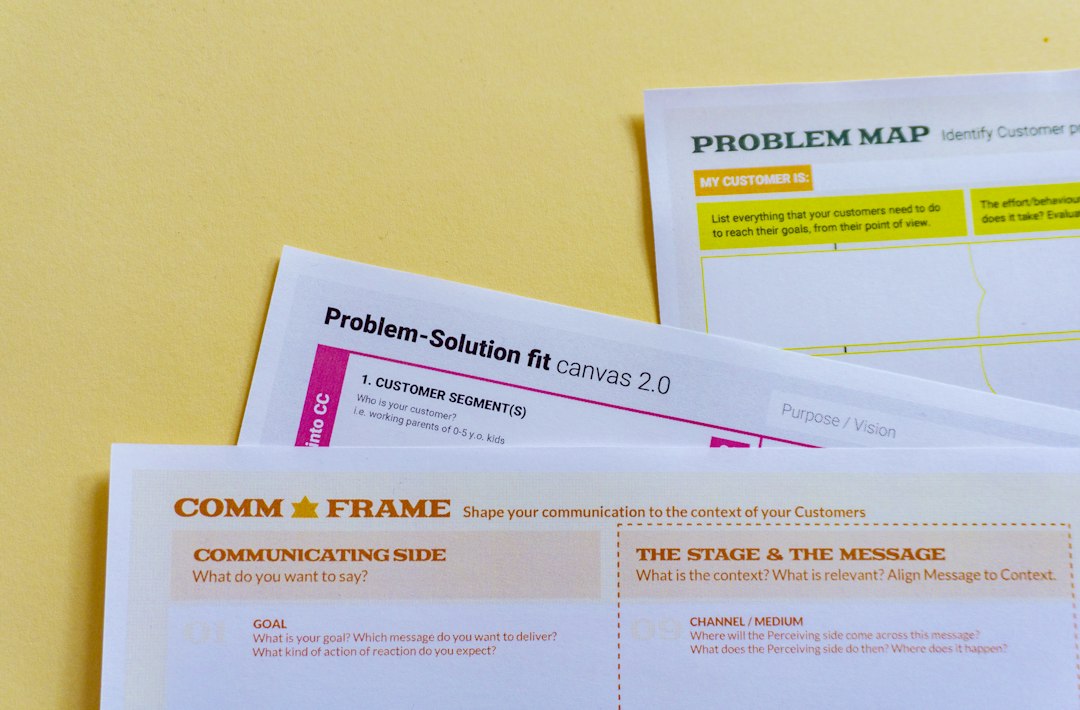
article marketing strategy: 2026 essentials
At its simplest, an article program is the ongoing creation and distribution of helpful long-form content to attract, educate, and convert a clearly defined audience. The tangible value comes from aligning business goals, audience insight, and channel mechanics so every published piece keeps working for months or even years. The more disciplined your process, the greater the compounding effect.
Three pillars power the compounding:
- Focus: select a handful of evergreen themes tied to your product or service value and your audience’s recurring questions.
- Structure: map each theme to a cornerstone guide supported by a cluster of specific, interlinked articles that capture related intent.
- Cadence: run a realistic loop—research → brief → draft → edit → publish → distribute → measure → refresh—then keep it going.
In 2026, this work sits within a broader content ecosystem. Articles inform email sequences, seed social threads, earn links, bolster sales conversations, and create an internal knowledge base your team can reference. Because articles are durable, you can update them instead of starting from zero, which is kinder to budgets and morale. This guide will help you assemble a process that survives busy seasons and shifting algorithms.
Tie content to outcomes and intent
Every quarter, choose a primary outcome and a few supporting indicators so your writing isn’t drifting. Clear priorities keep article decisions grounded and out of the endless-ideas trap.
Pick a single revenue-adjacent outcome for the quarter:
- Marketing-qualified leads: when your model relies on form fills, webinar registrations, and content downloads.
- Sales pipeline influenced: for teams tracking multi-touch content influence across deals.
- Self-serve signups or trials: for product-led motions where articles drive in-app exploration.
- Activation or expansion support: when the priority is educating current users and enabling upsells.
Then map the buyer’s journey and write to actual intent:
- Awareness (problem): readers search symptoms and situations; articles clarify definitions and stakes.
- Consideration (solutions): readers compare approaches; articles describe frameworks, trade-offs, and steps.
- Decision (selection): readers weigh vendors; articles cover comparisons, implementation checklists, and proof.
Link each draft to a target intent and a metric you can observe. If the goal is pipeline influence, prioritize comparison and implementation angles. If the goal is top-funnel discovery, prioritize guides that answer foundational questions with clarity and authority. This alignment ensures the library grows in directions that matter to your business rather than random hot takes.
Research that informs topics and language
Great articles solve specific problems in the reader’s words. Invest a little time upfront so each piece starts with concrete inputs instead of hunches.
A simple two-week research sprint can fuel a quarter’s worth of writing:
- Interview five recent customers for 30 minutes each. Ask what triggered their search, what alternatives they considered, what nearly stopped them, and what finally tipped the choice.
- Comb through support tickets and sales notes. Flag repeated questions, workarounds, and objections—that’s article material or at least sections inside articles.
- Analyze site search and on-site behavior. What do visitors type in your search bar, where do they bounce, and which sections get re-read?
- Listen in the wild. Save recurring questions and vocabulary from niche forums, Slack groups, LinkedIn comments, and industry newsletters.
- Study competitors. Identify thin coverage, outdated posts, or missing angles. Decide where you can be more specific, more current, or more illustrative.
Translate raw inputs into a writing brief template you’ll use for every piece:
- Reader: one specific persona in a real situation (for example, operations manager at a 35-person logistics firm reducing order errors without new hires).
- Intent: the job this reader wants to accomplish by reading.
- Key questions: the exact questions they are likely to ask, in their language.
- Angle: your unique take based on product strengths, customer stories, or proprietary data.
- Proof: internal analytics, case snippets (with permission), and credible external sources.
- Distribution notes: who to tag, communities to post in, and assets to spin out right after publish.
With these inputs, your writing sessions become faster and more confident because you’re not staring at a blank page—you’re answering a real person’s questions with material you already gathered.
Build topic clusters and internal links
Clusters help readers and search engines understand how your ideas connect. Start with three to five evergreen themes that intersect your product value and your audience’s recurring needs. Each theme gets one cornerstone and six to ten support pieces that explore narrow questions, objections, or use cases.
Example theme for a warehouse software company: Inventory Accuracy. The cornerstone might be a comprehensive “Warehouse Inventory Accuracy Guide,” supported by cluster posts such as “Cycle Counting Methods Explained,” “How to Lower Shrinkage with Barcoding,” “Reconciliation Checklist,” and “Training Playbook for New Staff.” Each cluster piece links back to the cornerstone, and related cluster pieces link to one another where relevant. Over time, you become the obvious source for the theme.
Practical interlinking rules:
- Link up to the cornerstone with descriptive anchor text that reflects the reader’s next step.
- Link sideways to sibling posts when a section can’t go deep enough and a dedicated article exists.
- Link down to more specific subtopics if your cluster is multi-layered.
- When you publish something new, add backward links from older relevant posts right away to help readers and spread authority.
Keep a simple “content graph” spreadsheet: each row is a post with columns for theme, journey stage, target intent, links to/from, and refresh date. This helps you avoid duplicates, plan new pieces where the graph is thin, and maintain link hygiene as your library expands.
Editorial calendar and production workflow
Random publishing leads to thin coverage and inconsistent quality. A modest calendar and a repeatable workflow keep your promises to readers and stakeholders.
Calendar setup in 30 minutes:
- Cadence: weekly if you have a dedicated writer; biweekly if you’re solo. Consistency beats sporadic bursts.
- Slots: assign each slot to a theme, then fill it with a specific cluster topic.
- Ownership: define who briefs, writes, edits, approves, publishes, and distributes. If you’re solo, time-block each step on your calendar.
- Quality gates: adopt a short checklist—clear promise in intro, descriptive headings, original examples, internal/external citations, and a clean close with next steps.
Weekly workflow that survives real life:
- Monday: finalize next week’s brief; schedule subject matter expert time if needed.
- Tuesday–Wednesday: draft the article and gather visuals or screenshots. Capture derivative assets (quotes, bullets for social) as you write.
- Thursday: edit for clarity, structure, accuracy, and flow. Add internal links and a relevant, modest call to action aligned with the article’s intent.
- Friday: publish, complete the distribution checklist, and log initial metrics. Set a reminder for 21 and 90 days to review performance.
To scale beyond one writer, separate the roles of strategist, writer, editor, and publisher. Keep editing centralized so voice and standards stay consistent across multiple contributors.
Write and optimize without keyword stuffing
Articles that get read follow a simple rhythm: promise a clear outcome up front, deliver a logical scaffold, illustrate with specifics, and close with conviction. On-page optimization supports this, but never at the expense of clarity or honesty.
Use this writing playbook:
- Lead with the job-to-be-done: your first 3–5 sentences should promise a concrete result for a specific reader.
- Follow a scaffold: problem → why common fixes fall short → framework or steps → examples and checklists → next action.
- Make it scannable: short paragraphs, descriptive subheads, bullets, and pull quotes. Busy readers should get value in 90 seconds, then choose to go deeper.
- Support claims: cite internal data, public studies, or customer quotes (with permission). Link to primary sources.
- Write naturally: place your primary phrase in the title, first paragraph, one subheading, and an image alt where relevant. Use synonyms and related phrases where they belong, but avoid repetition that sounds awkward.
Formatting pointers that lift readability:
- Use active voice and strong verbs.
- Favor examples over abstractions. If you explain a framework, include a short scenario that shows it in use.
- Break up dense passages with a checklist or a numbered process when readers need to act.
- Add a plain-language summary box if a section gets genuinely complex.
Remember the human reading on a phone between meetings. If a sentence forces readers to pause and parse, it’s a candidate for a rewrite.
Design, visuals, and UX for readable articles
Strong design helps ideas land. You don’t need heavy production—just a few standards that make articles easier to read and reference.
Design and UX basics:
- Typography and spacing: pick a legible body font, generous line height, and clear hierarchy between H2, H3, and body text.
- Images with purpose: add diagrams, tables, or annotated screenshots only when they clarify something that text alone can’t. Every image should have alt text that describes its content.
- Calls to action that match intent: if an article is early-stage, link to a cornerstone guide or a checklist. If it’s late-stage, link to a comparison page, interactive calculator, or demo request—whatever is appropriate for the reader’s mindset.
- Navigation: include a table of contents for longer guides and clear next steps at the end to keep readers moving through your content graph.
Accessibility principles double as SEO and UX wins: descriptive link text, meaningful alt text, high-contrast colors, and headings that reflect structure rather than style. These small choices expand your audience and reduce friction.
Distribution across owned, earned, and paid
Publishing is halftime. Plan distribution when you write the brief so each article travels further on day one, then continues to earn attention afterward.
Owned channels you control:
- Email: lead with a single, crisp takeaway and one link back to the article. Avoid pasting the full post; tease and invite.
- Website hubs: add the new piece to your relevant hub or resource library so it’s easy to browse by theme. For example, you can explore a broader library of resources at Get Auto Business without hunting across scattered links.
- Product surfaces: if your app includes a help center or in-app announcements, link contextually where the article helps users succeed.
Earned reach you don’t control:
- Communities: share in niche Slack groups or forums. Provide context: why you wrote it, who it helps, and a single insight members can apply today.
- Partners and experts: if you quoted anyone or used a partner data point, notify them after publishing. Many will share because it helps their audience too.
- Press and newsletters: pitch a unique data point, framework, or angle to curators who cover your space.
Paid amplification when it truly matters:
- Test a small boost (48–72 hours) for cornerstone pieces or high-intent articles that support a current campaign.
- Use UTM parameters so you can compare performance by channel and creative.
- Retire boosts quickly if engagement is low; invest in new angles rather than pushing the same thing longer.
Document your distribution checklist. For every article, complete the same small set of actions the day you publish. Consistency compounds more than one-off heroics.
Repurposing engine: from one piece to many
Repurposing multiplies reach without multiplying writing time. Start from the published article and create right-sized assets for other channels.
Practical remix ideas:
- Slide deck: convert section headings and key bullets into a 10–12 slide deck for webinars or internal education.
- Short videos: record three short clips (60–90 seconds) where you explain one idea with a concrete example. Post as a thread or carousel with the clips embedded.
- Checklists and worksheets: extract the step-by-step parts of an article into a printable or fillable document.
- Social snippets: turn concise insights or visuals into branded cards and short posts that link back to the article.
- Podcast talking points: outline the narrative as a host–guest conversation, then pitch the episode using the article as a prep doc.
For syndication, publish first on your site. After a week or two, consider platforms that support canonical tags or that clearly link back to the original. When pitching partners, offer a complementary angle to reach new audiences without diluting your own search equity.
Metrics, attribution, and ROI sense-making
Articles compound, but compounding takes time. Keep a staircase of leading and lagging indicators so you can see early progress and model long-term value.
Track across three layers:
- Early indicators: impressions, ranking movement, click-through rate from search, reads to 75 percent, and newsletter clicks.
- Middle indicators: assisted conversions, content-assisted pipeline, demo views, and the number of relevant domains linking to the article.
- Late indicators: opportunities created with content touches, revenue influenced within a reasonable window, average sales cycle length for content-touched deals, and win rate deltas for accounts that engaged with your cornerstone content.
Attribution models that are practical rather than perfect:
- Content-influenced pipeline: define influence (for example, two or more article touches within 60 days before opportunity creation) and report separately from last-click leads.
- Topic-level rollups: aggregate performance by theme to find which subjects bring the most qualified attention even when individual posts vary.
- Time-to-value: measure how long a new article takes to reach thresholds such as top-10 rankings for a set of keywords or first 10 backlinks.
Build a lightweight dashboard that you actually review weekly. One page with early, middle, and late metrics by article and by theme, plus short narrative notes on what to try next, is more useful than a complex report nobody reads.
Maintenance, refreshes, and link hygiene
An article library is an asset to steward. Maintenance is how you protect and extend the value of your best work as facts, screenshots, and language change.
Quarterly maintenance checklist:
- Refresh high-potential posts: update data and screenshots, expand thin sections, and strengthen examples. Note the changes in a log so you can compare results later.
- Consolidate cannibals: when two posts target the same query and one underperforms, merge the weaker into the stronger and set a 301 redirect. Keep the most helpful URL live.
- Fix broken links: run a crawl to find and repair 404s. Replace outdated sources with current, credible references.
- Add internal links: when you publish something new, immediately add links from older relevant posts. This helps both readers and search engines understand relationships.
Keep a simple change log in your spreadsheet for each post: date, what changed, why, and a performance snapshot. Over time, you will identify which refresh types lead to results for your audience and topics.
Lean tools, teams, and a 90-day rollout
You don’t need a sprawling stack to run a disciplined program. A lean toolkit and clear roles will take you far, even if you’re the only person involved.
Lean stack by function:
- Research: a keyword tool, your site analytics, and a simple SERP analysis checklist.
- Writing: a distraction-free editor, a house style guide, and a grammar checker. Record quick expert interviews for original insights.
- Publishing: a reliable CMS, image compression, and basic schema support.
- Distribution: an email service, social scheduling, and UTM tracking.
- Measurement: search console, web analytics, and a one-page dashboard.
Roles to cover (combine if you’re solo):
- Strategist: sets themes and prioritizes topics.
- Writer/editor: drafts, edits, and enforces standards.
- Subject matter expert: contributes examples and reviews for nuance.
- Publisher/distributor: formats, publishes, and completes the distribution checklist.
90-day rollout to get momentum:
- Weeks 1–2: interviews, ticket mining, competitor scan, and select one cornerstone theme with 6–8 cluster topics.
- Weeks 3–4: write and publish your cornerstone guide; pre-build email and social snippets while drafting.
- Weeks 5–8: publish three cluster articles; link them to each other and the cornerstone.
- Weeks 9–10: publish the remaining cluster pieces; begin outreach to relevant publications and partners.
- Weeks 11–12: refresh underperformers, expand what resonated, and package the theme into a slide deck or checklist.
At day 90, review your dashboard: which themes, formats, or channels moved the numbers? Double down on winners next quarter and prune distractions.
Advanced moves for 2026: AI workflows and ABM
Two shifts are shaping how high-performing teams operate this year: practical AI support inside the writing loop and tighter alignment with account-based motions. Both can magnify your output without diluting quality.
AI support, used responsibly:
- Research synthesis: use tools to cluster questions from interviews and tickets and to suggest outline variants, then validate manually.
- Fact cross-checks: prompt models to propose potential sources or counterpoints, then open and verify original materials yourself.
- Versioning: generate first-pass snippets for email, social, and summaries, but keep human editing to maintain voice and accuracy.
Account-based alignment without losing the broader audience:
- Persona overlays: when planning clusters, layer in 2–3 priority personas from your target account list and craft sections that speak to their stakes.
- Industry filters: produce industry-specific examples and tables for the verticals you sell into. Link to a general page and versions tailored to healthcare, logistics, education, and so on.
- Sales enablement: convert late-stage articles into one-page briefs sales colleagues can send during evaluations.
These moves are not separate programs; they plug into the same article loop you’re already running. Keep them grounded in the same research, cluster planning, and refresh cadence, and they’ll add momentum rather than complexity.
Pitfalls to avoid and how to fix them
Even strong teams hit the same potholes. Scan this list to avoid easy mistakes that slow compounding.
- Chasing volume over value: high-volume keywords that attract the wrong audience waste time. Fix: filter by business fit and journey stage before committing to a topic.
- Publishing without distribution: “spray and pray” results fade fast. Fix: adopt a five-step checklist you repeat for every article and block time on publish day to execute.
- Starting too many themes at once: shallow coverage on many topics works worse than depth on a few. Fix: finish one cluster before starting another.
- Measuring only last-click: late-stage content gets all the credit; early-stage content gets cut. Fix: add influenced pipeline and topic-level rollups to your dashboard.
- Content without a point of view: generic summaries don’t stick. Fix: interview internal experts, add original examples, and articulate a stance that helps readers choose.
- Skipping refreshes: outdated data and screenshots erode trust. Fix: schedule quarterly maintenance like any other work.
If your current program feels scattered, run a reset: pick one theme, plan a seven-piece cluster, publish on a predictable cadence, and review performance in 90 days. The discipline of depth restores momentum and confidence.
Bringing it all together
A durable program looks the same from the outside every week: a useful article goes live, readers discover it in channels they already use, and it quietly extends your library of evergreen assets. Internally, your system keeps improving because you log decisions, measure outcomes, and apply what you learn to the next brief. That steady cadence is how small teams produce outsized results.
Use the frameworks in this guide to select focused themes, write with structure and voice, distribute with intention, and measure impact with patience. If you keep the loop—research, brief, write, edit, publish, distribute, measure, refresh—your library becomes an engine that supports marketing, sales, and customer success for a long time.